Unmanaged vs Managed Switches: What You Actually Need to Know
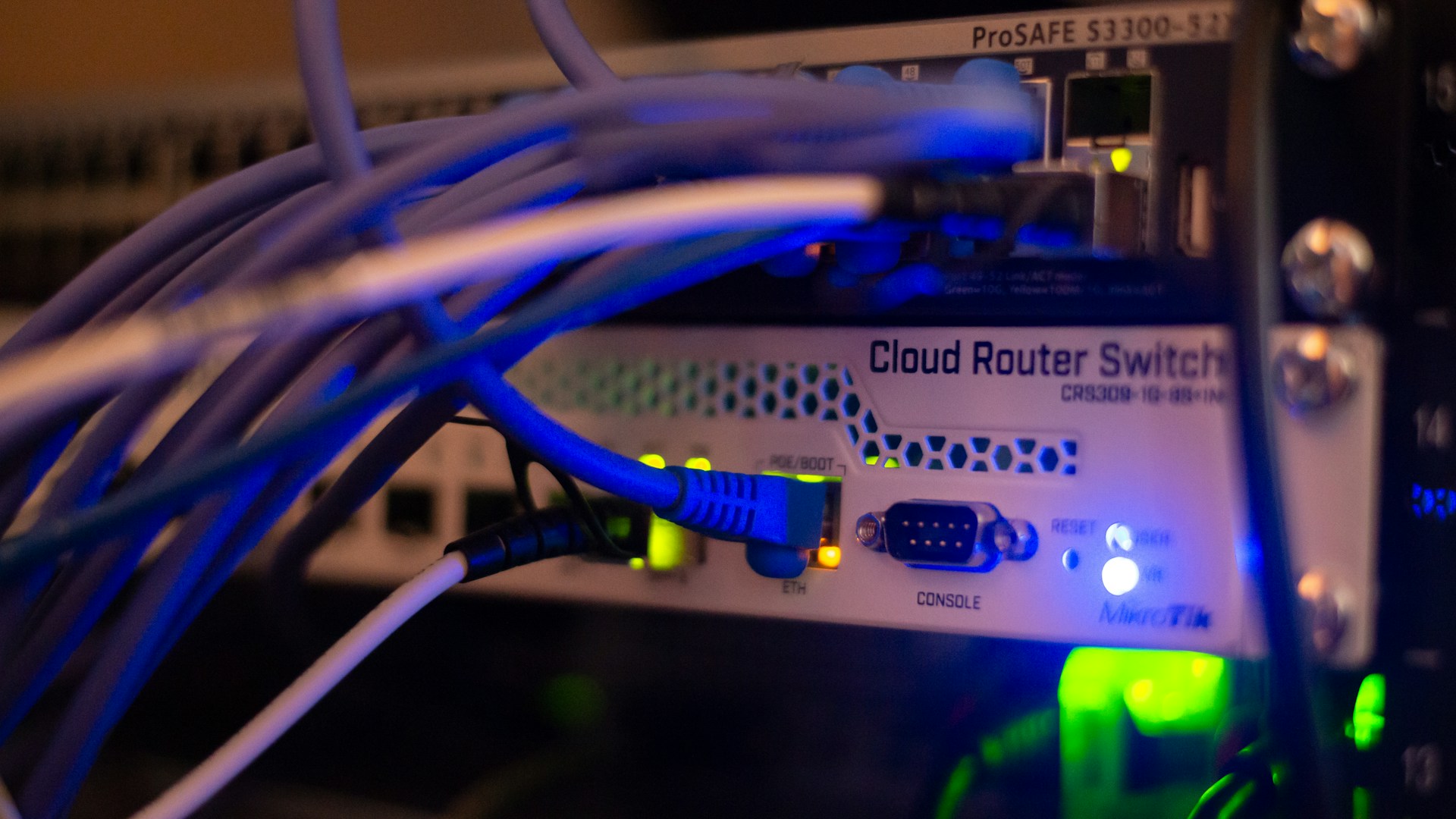
If you’ve ever peeked behind the office IT cupboard, or just noticed the blinking lights on that box next to the thing that's keeping your Wi-Fi alive, you’ve probably seen a network switch. Most of us barely think about it. A few ports, some cables, perhaps a slight hum. Job done. But not all switches are created equally...
Unmanaged Switches: Plug In and Forget
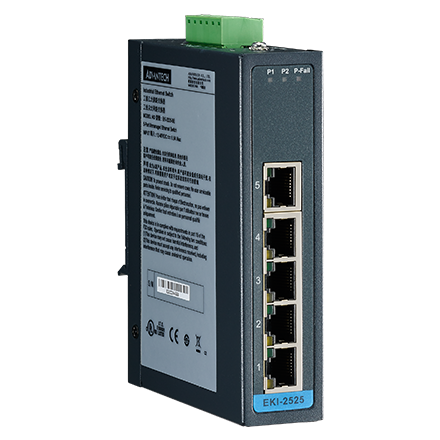
Right, let’s start with the basics. An unmanaged switch is basically a plug-and-play device. You shove in the cables, switch it on, and it works. No interface, no settings, nothing to tweak. It just passes data from one device to another. Think of it like a junction or roundabout on the road. The data (literally called traffic...) goes in one side (via an ethernet cable, into one of the ports), and comes out of the other.
For small offices or home setups, that’s usually enough. Think of a small estate agents office, maybe six or seven computers, a printer, and a Wi-Fi access point. An unmanaged switch handles that fine. Cheap, easy, and reliable. You’ll often find an eight-port one for under £60.
But... You can’t control anything. If someone starts hogging the network, or you want video calls to be a bit smoother, you’re out of luck. It treats all traffic the same. Simple, but not very clever.
Managed Switches: The Fancy Ones
Managed Switches: The Fancy Ones
Managed switches are a different story. These are for people who actually want to get their hands dirty with the network, or, for IT teams that need to keep everything running smoothly.
With a managed switch, you can do stuff like:
VLANs: Keep certain devices separate, like guests on one network and the office PCs on another.
QoS (Quality of Service): Prioritise traffic so important stuff like Teams calls and online meetings don't stutter.
Monitoring: See what’s happening on the network, spot problems, troubleshoot remotely.
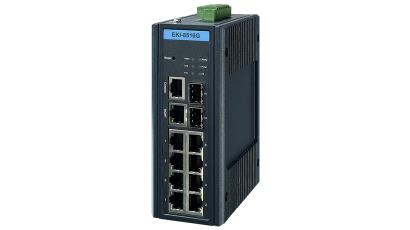
They’re pricier, sure. Even a modest eight-port one can be £100–£400+ depending on which features you require. But if your office is bigger, or uptime matters, they’re worth it.
DIN-Rail vs Rackmount Switches
If you’ve ever wondered about the different physical types of switches, here’s a quick overview:
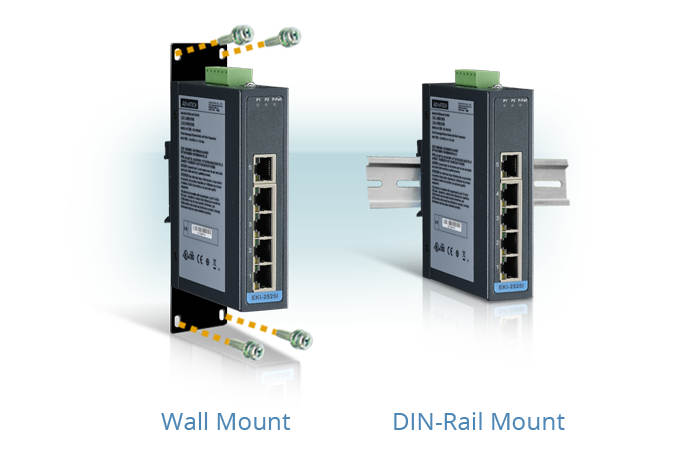
- DIN-Rail switches: Compact, industrial switches that mount neatly onto a metal rail, can be mounted on the wall, or just sit flat on a shelf. Great for factory floors, smaller offices, or tight network cabinets.
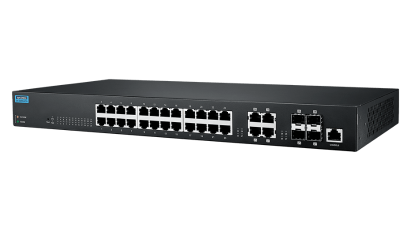
- Rackmount switches: Larger, designed to fit into standard 19-inch server racks. These are common in data centres, server rooms, or any office with more complex networking setups.
Why It Actually Matters
When it comes to deciding between a managed and an unmanaged switch, at a glance, both types just move data from A to B. But once you have more devices, multiple Wi-Fi points, and video calls happening, the difference becomes obvious.
Picture this: a small office starts with five people. Unmanaged switch? Fine. A year later, it’s fifteen people, plus guest Wi-Fi, plus Teams calls every day. That unmanaged switch suddenly feels like it’s struggling. Slowdowns, random glitches. You know the feeling.
A managed switch? That’s more like having proper tools. You can separate traffic, prioritise important stuff, and generally make the network behave. It makes life easier, really.
Picking the Right Switch
So how do you choose? Mostly, think about size, control, and budget.
How many devices? Just a few? Go unmanaged. Got Many? Maybe a managed switch would be better.
Need to prioritise or separate traffic? Definitely Managed.
Budget? Managed switches cost more upfront, but can save a lot of time and frustration later on. Especially if the complexity of the network has the chance to grow.
For many small UK offices, tiny agencies, clinics even, unmanaged is probably fine. For medium/large offices, schools, or anywhere where the network is a little more complicated or needs to be controlled, a managed switch can save so many headaches. Even if it does take a little time and knowledge to set it up and manage.
Switches We Offer
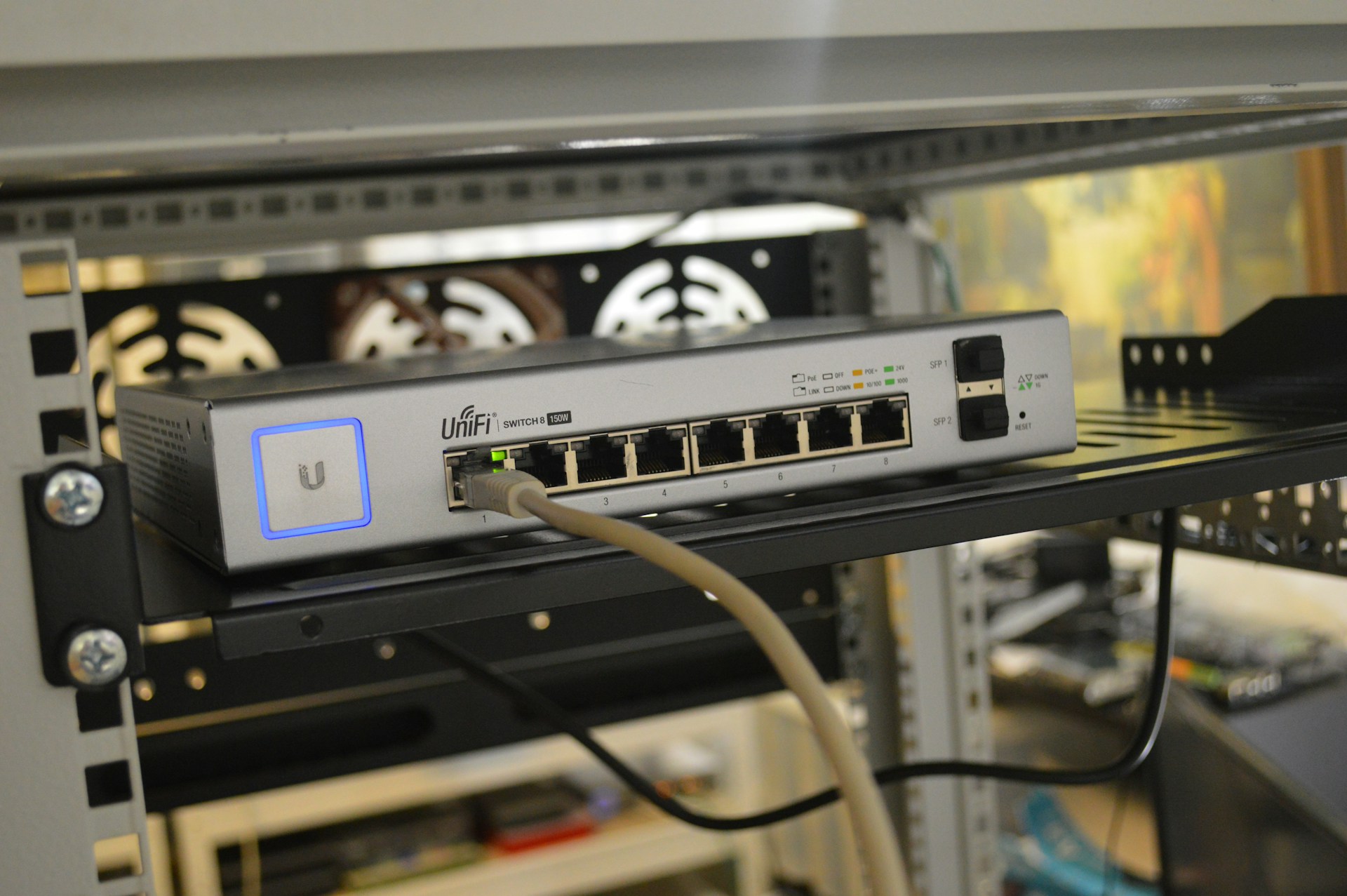
At Adey Electronics, we specialise in Advantech and Teltonika switches, offering a range of models to suit different needs, whether it’s a simple office setup or a more complex industrial network.
Here are just some of the switches we offer:
Advantech 5-port Unmanaged Switch - https://www.adeyelectronics.co.uk/products/eki-2525-be
Advantech 8-port Managed Switch – https://www.adeyelectronics.co.uk/products/eki-5528i-mb-ae
Teltonika 8-port Unmanaged Switch – https://www.adeyelectronics.co.uk/products/tsw200
Advantech 24-port 19" Rackmount Switch – https://www.adeyelectronics.co.uk/products/eki-2428g-4ca-ae
If you’re unsure which switch is right for your setup, it's probably best to contact one of our team and we can help you choose the right option and make sure it integrates smoothly into your existing network.
The Takeaway
Unmanaged switches: simple, cheap, reliable. Managed: control, monitoring, flexibility, but pricier. Neither is “better” though. It simply depends on what your network needs.
So, next time you see a switch blinking away in the IT cupboard, just remember: some are quietly getting on with the job, and some are quietly waiting for someone to put them to work. Either way, now you know there’s more going on than just a bunch of blinking lights.